
How to use these guides
The guides are grouped by what is wrong: floods and burst pipes, ceilings and floors, mold and insurance. Read the one that matches your situation, then call the 24/7 line if the water is still spreading or the damage is bigger than a small spill.
Every guide includes a section on Harbor City details that comes from public sources such as LADWP, LA Sanitation, the Los Angeles Department of Building and Safety and the California Department of Insurance. Where a local fact is not available we say to ask your utility or building department instead of guessing.
None of these guides replaces an on-site assessment. Moisture readings, thermal imaging and a look behind the wall change the answer.
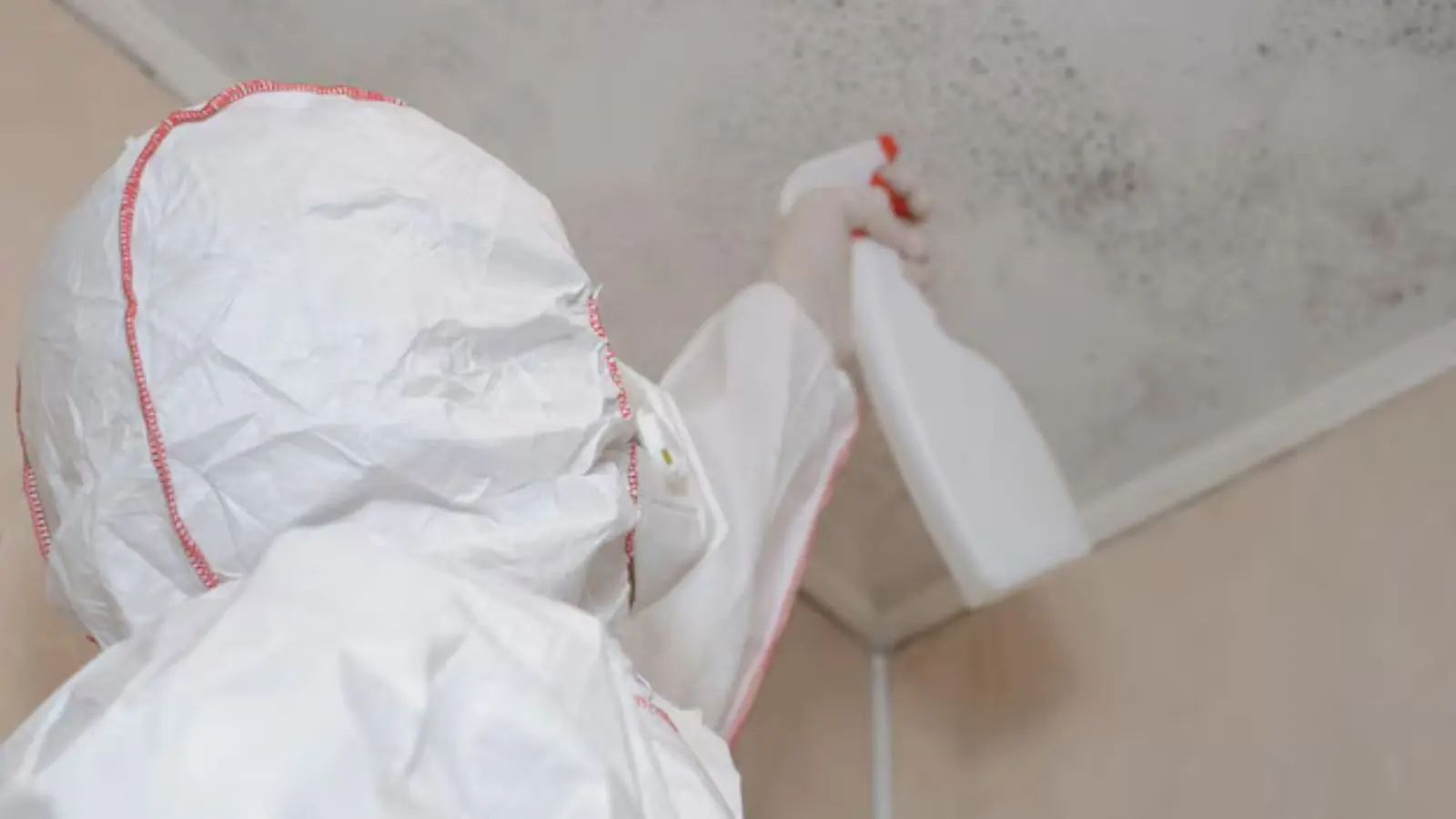
Black Mold on a Bathroom Ceiling: What to Do and Who to Ask
Dark spots overhead can be mold, soap film, or a leak. Here is how to tell the difference, clean a small spot safely, and know who to call.
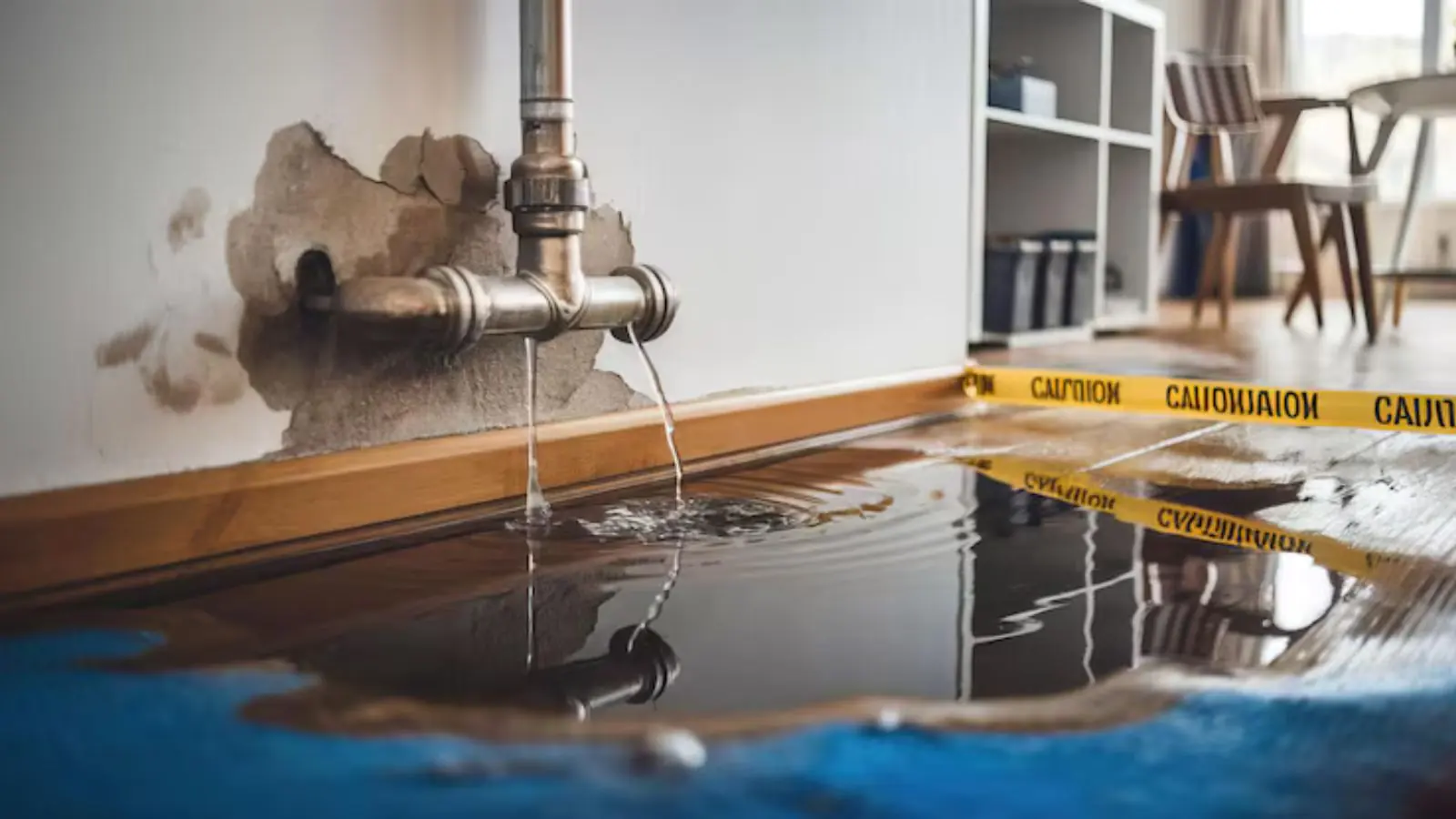
Burst Pipe: What to Do in the First Hour
Shut off the water, make the room safe, document everything, and call a plumber and a restoration team. Here is the order that works.
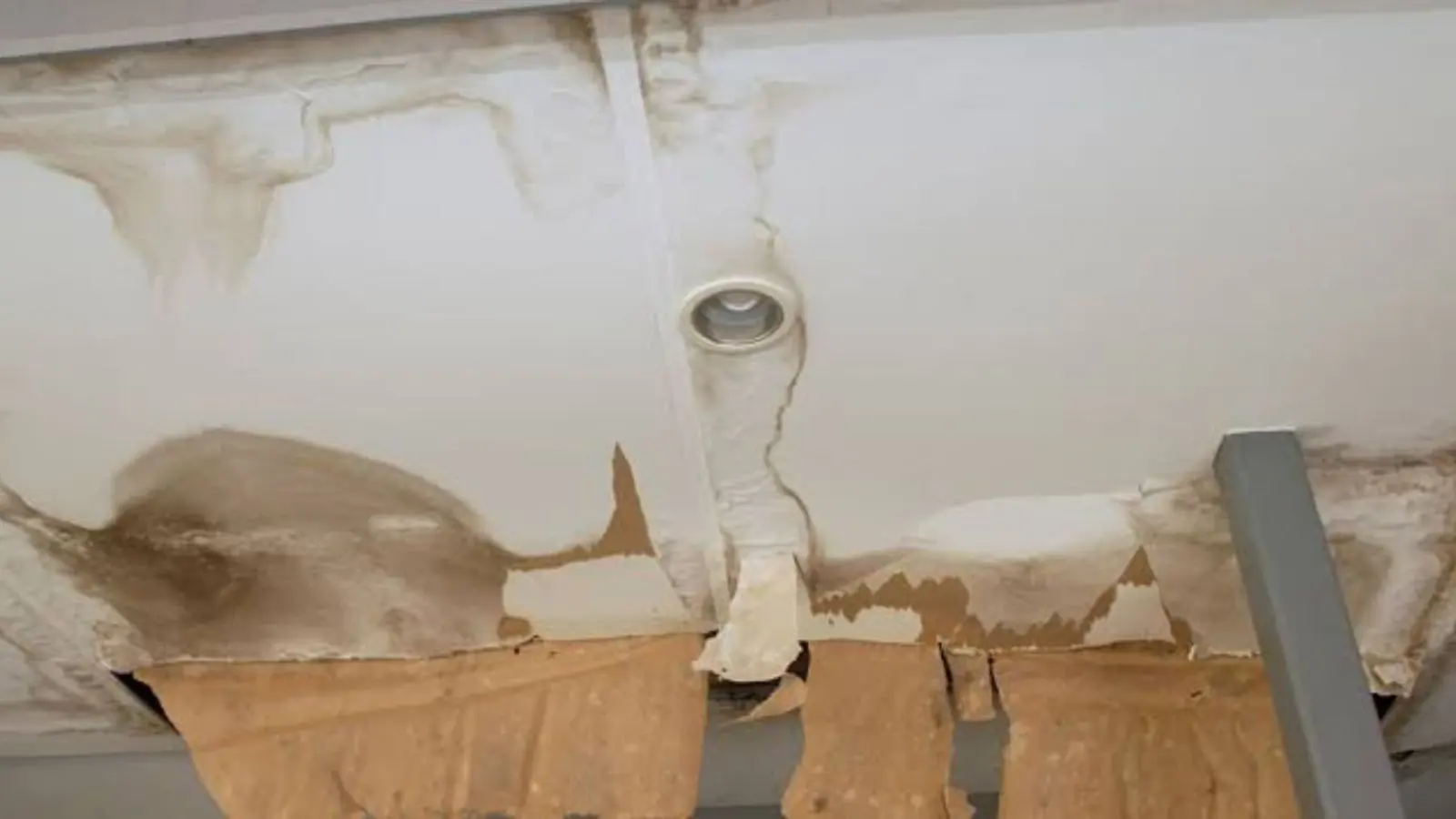
Ceiling Water Damage Repair: What the Work Includes and How to Hire It
Sagging ceilings, stains and upstairs bathroom leaks: what a repair service actually does, in what order, and what to ask before you sign.
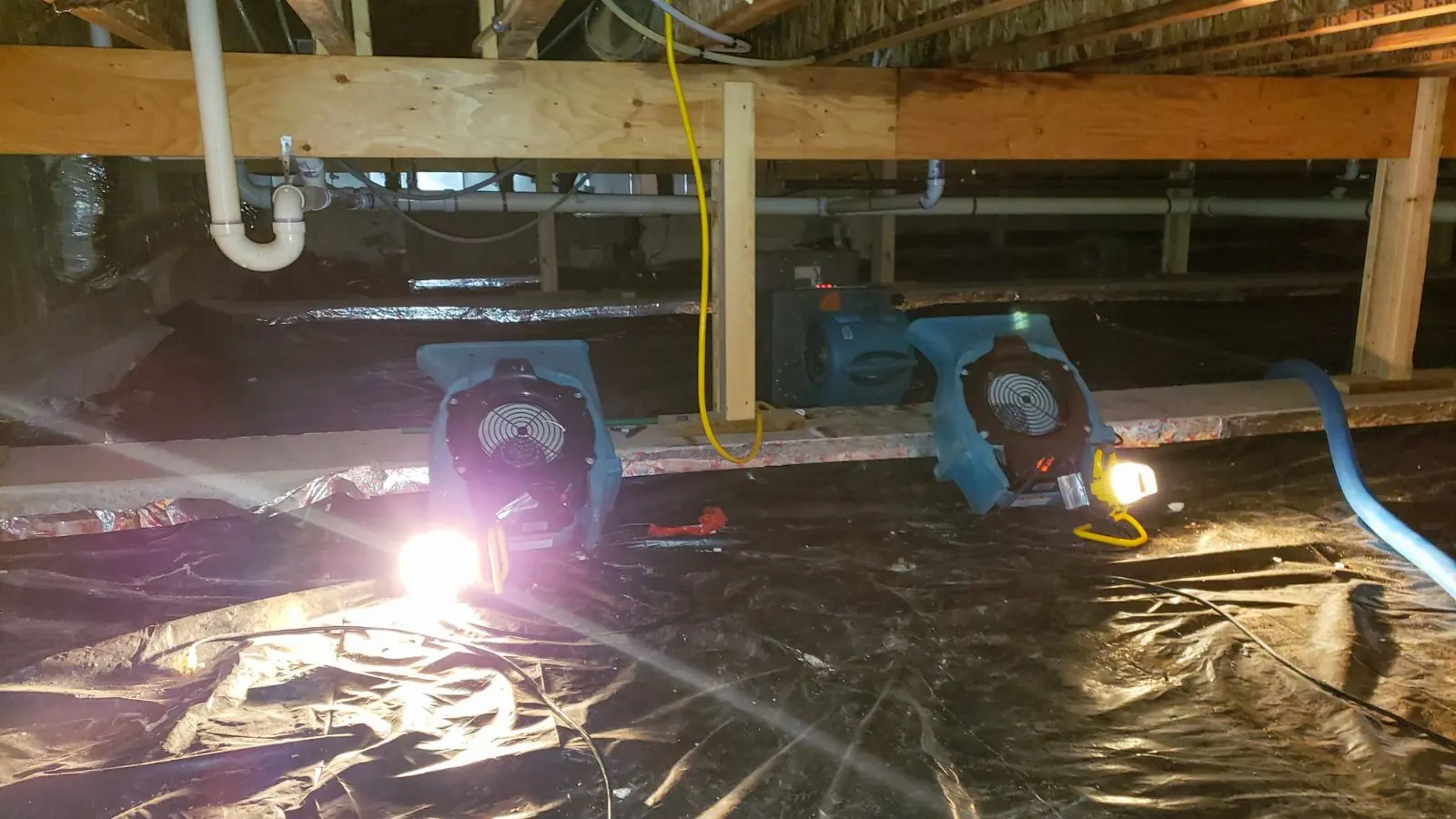
What Drives the Cost of Crawl Space Mold Removal
Access, area, moisture source and insulation all shape a crawl space mold scope. Here is how each factor changes the work, and when another trade is needed.
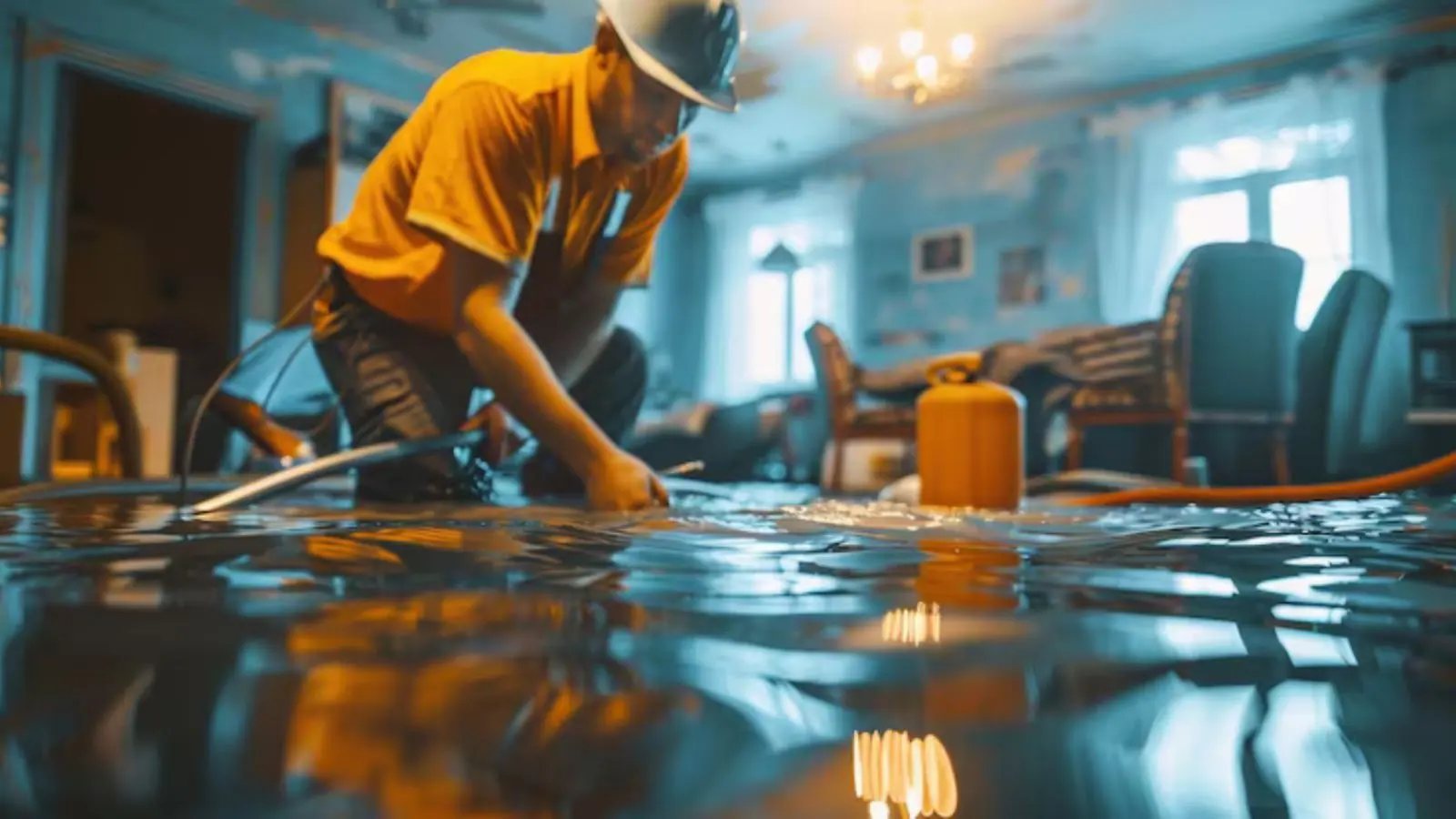
Fixing Flood Damage in a Harbor City Home, Step by Step
Safety first, then water categories, what can be dried, what gets discarded, documentation, extraction and the order of the rebuild.
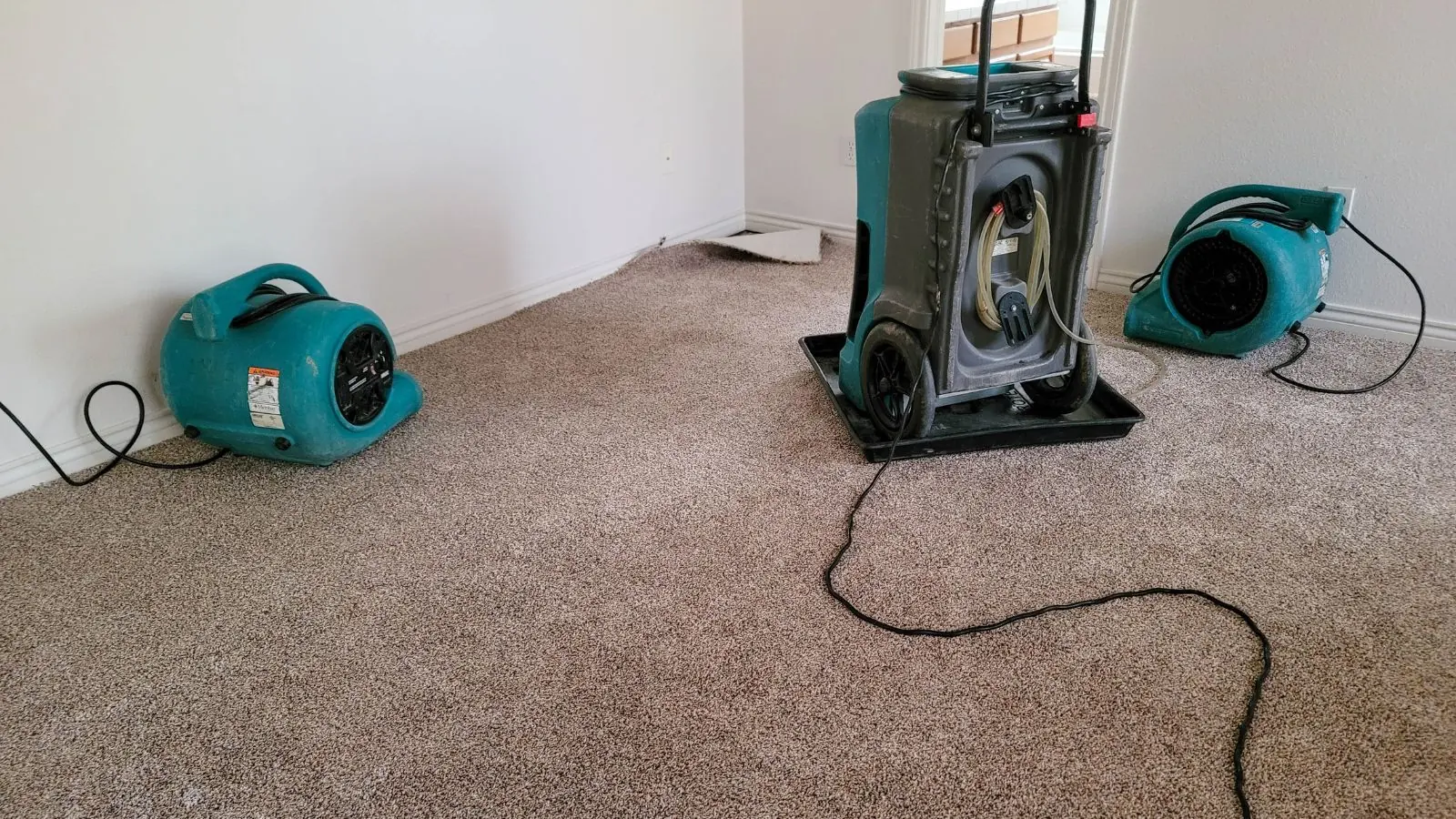
How Long Does Water Damage Take to Dry?
Most structural drying takes several days. Here is what sets the clock, what moisture readings mean, and what to do while the equipment runs.
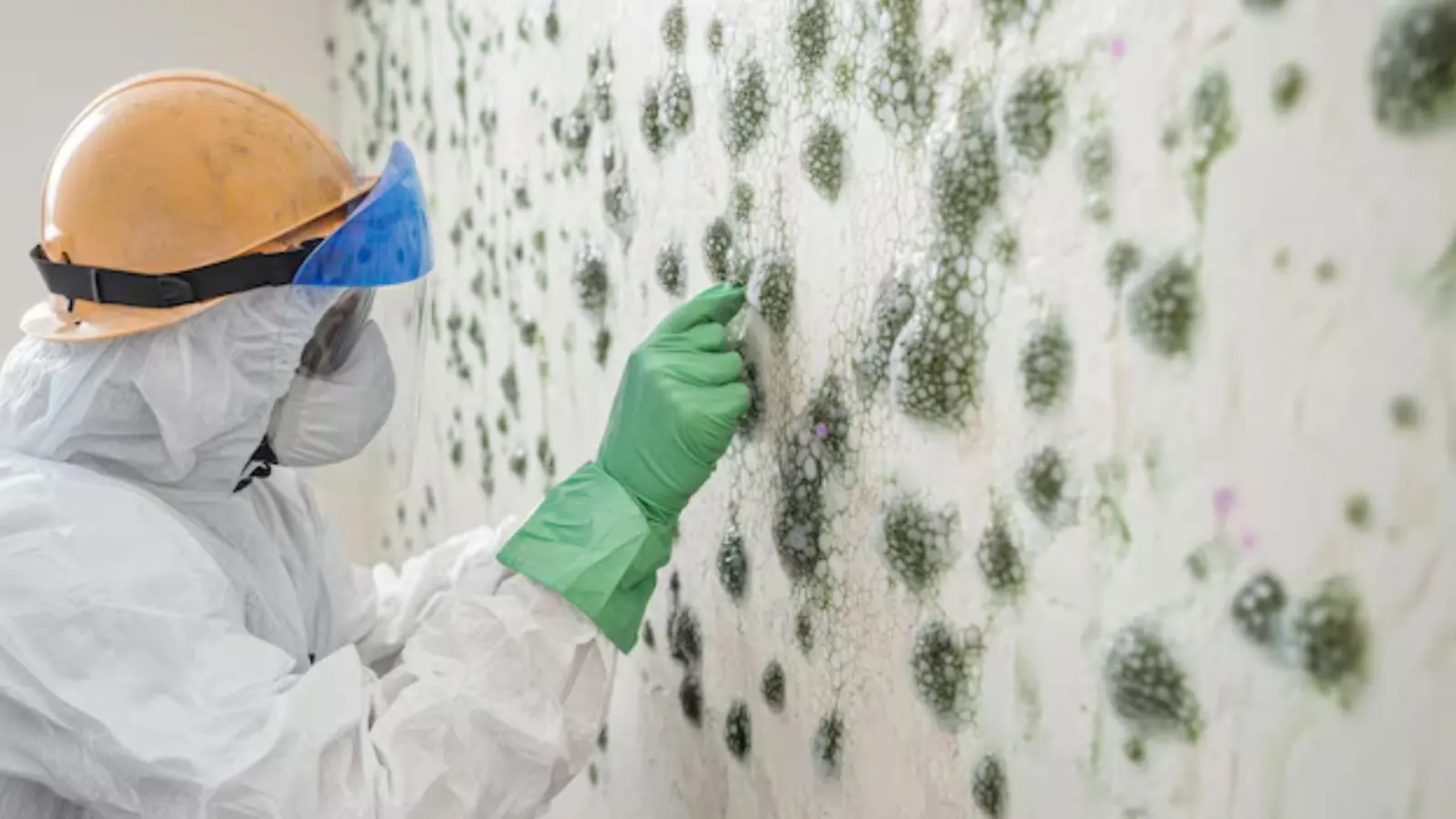
How Water Damage Turns Into Mold in a Harbor City Home
Where the moisture comes from, why the first 48 hours matter, which materials grow mold first and what to do in week one.
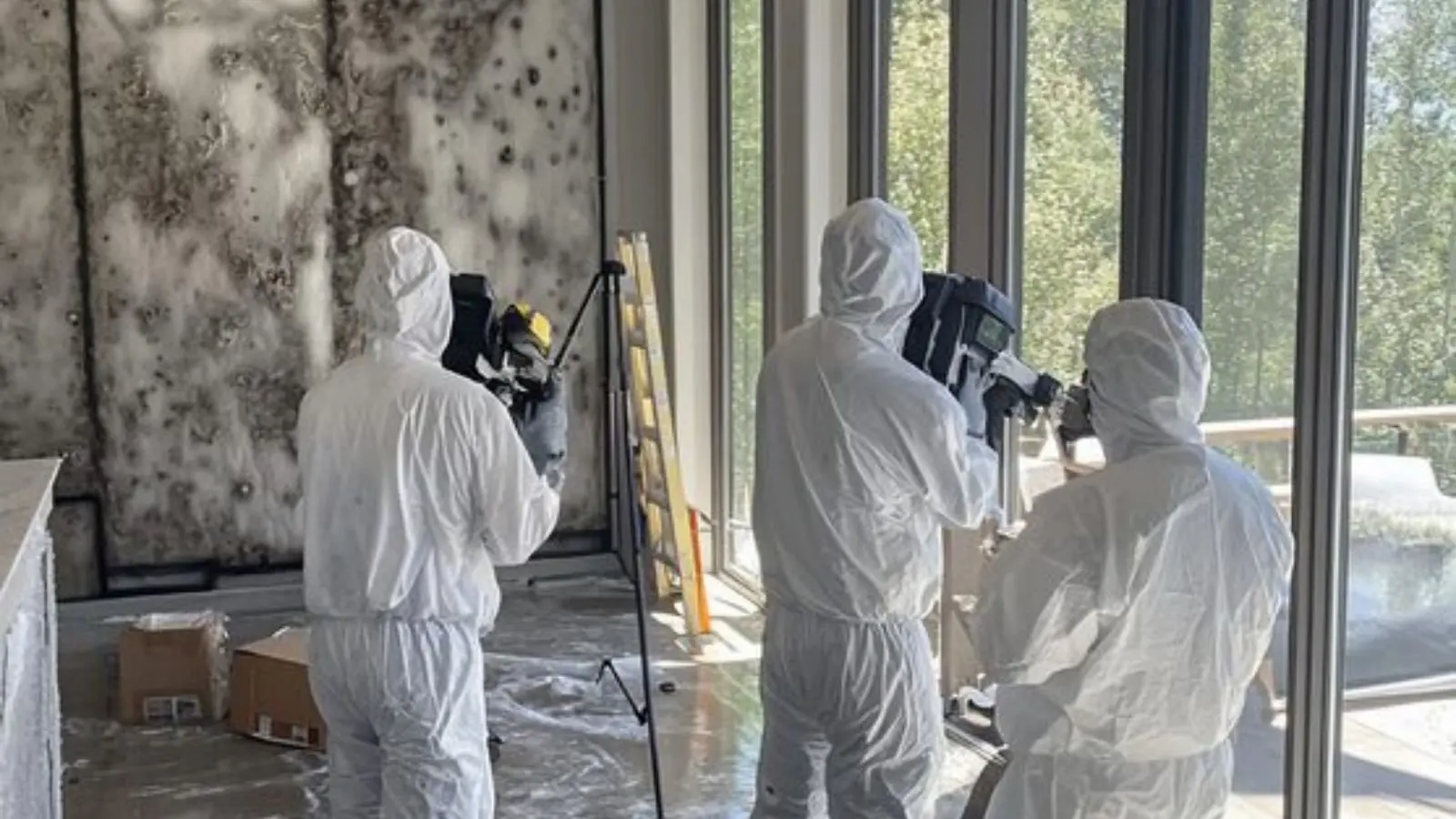
How to Choose a Mold Removal Company
What to ask a mold removal company, which answers are good, and which red flags should end the conversation before any money changes hands.
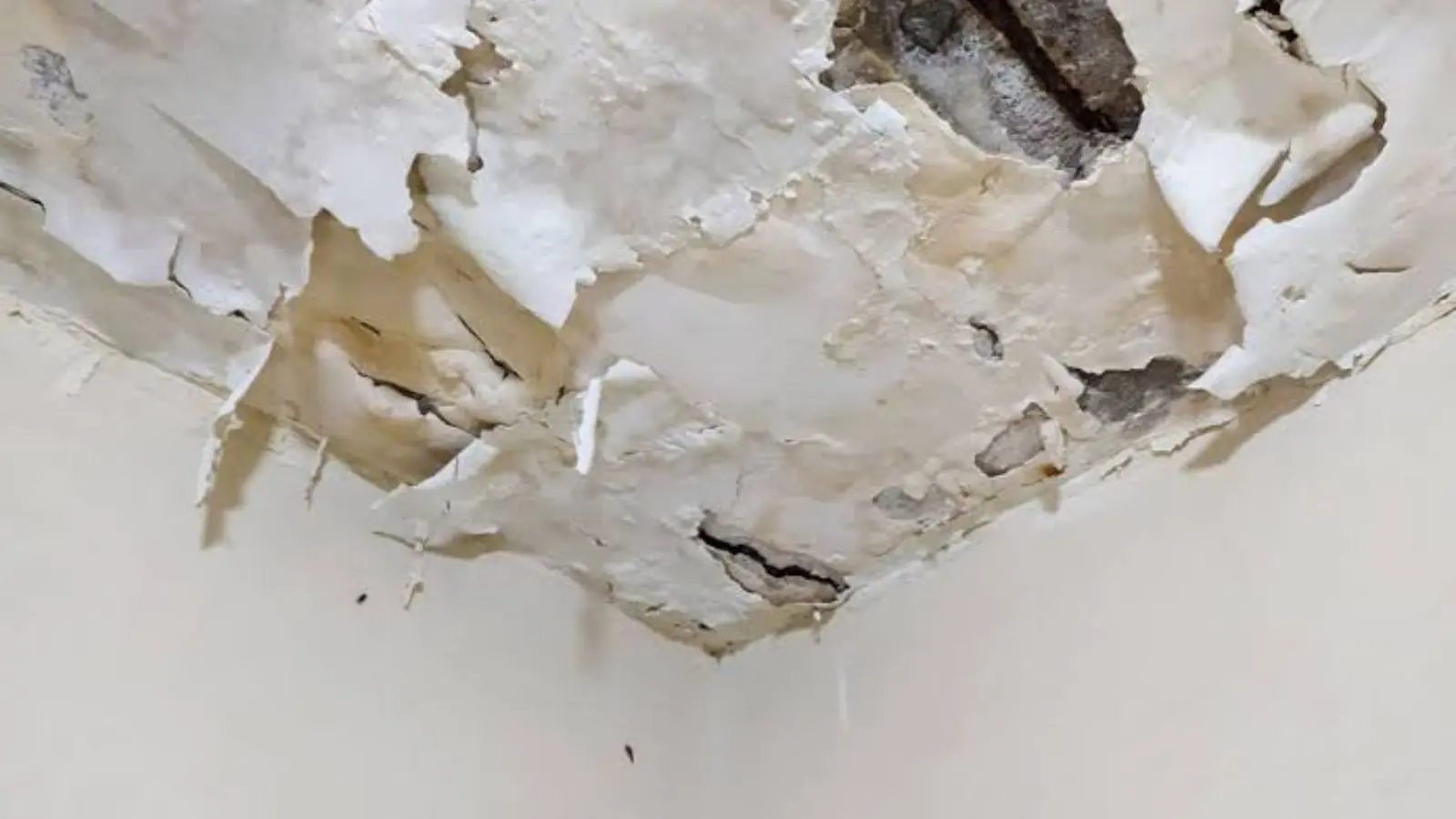
How a Water-Damaged Ceiling Is Repaired, Step by Step
The order of work for repairing a ceiling after a leak: confirm dry, cut out damage, block the stain, patch, match texture and paint.
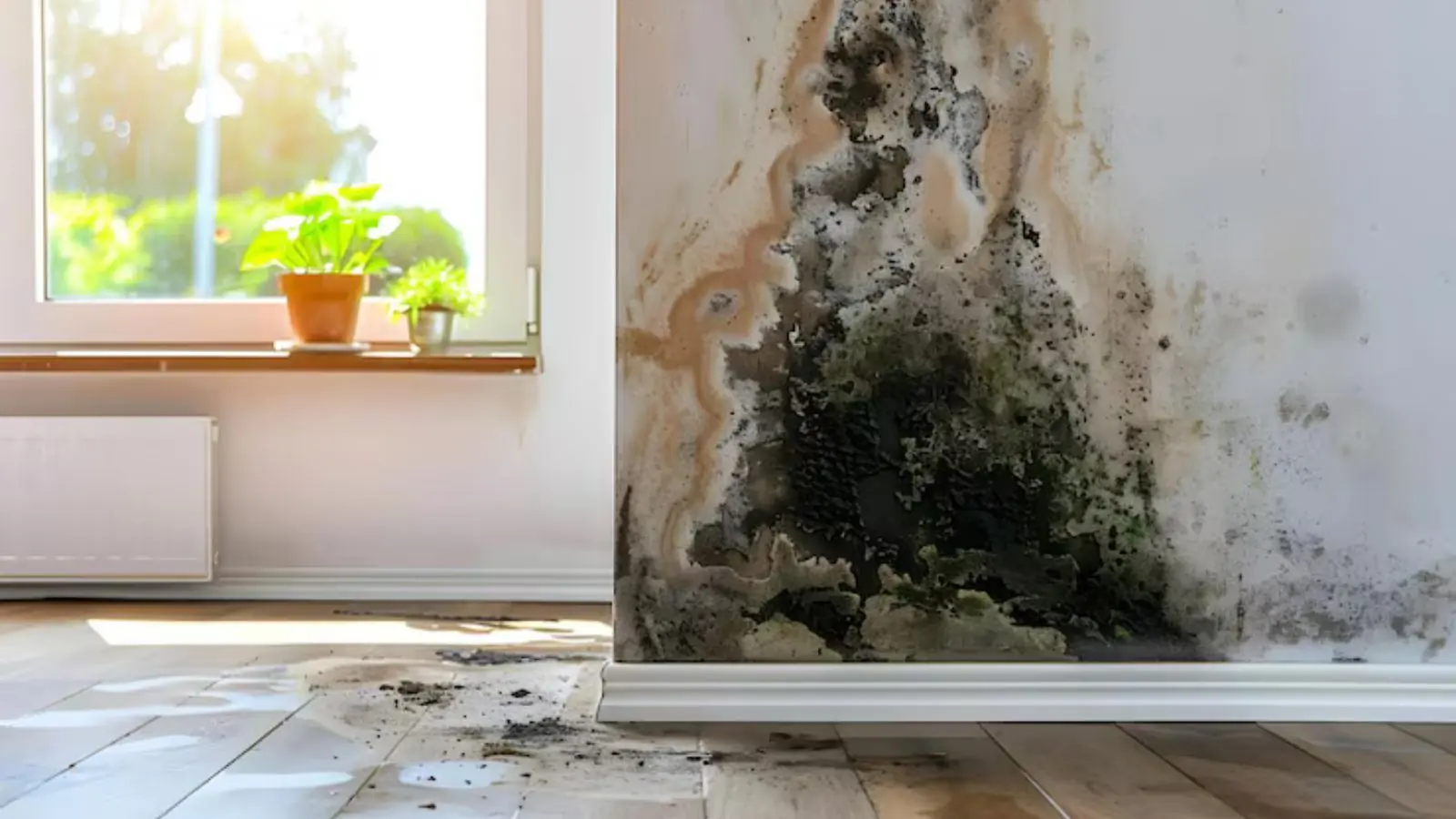
Water Stain or Mold: How to Tell the Difference
How to tell a dried water stain from mold growth in your home, what sampling can and cannot show, and why fixing the water source comes first.
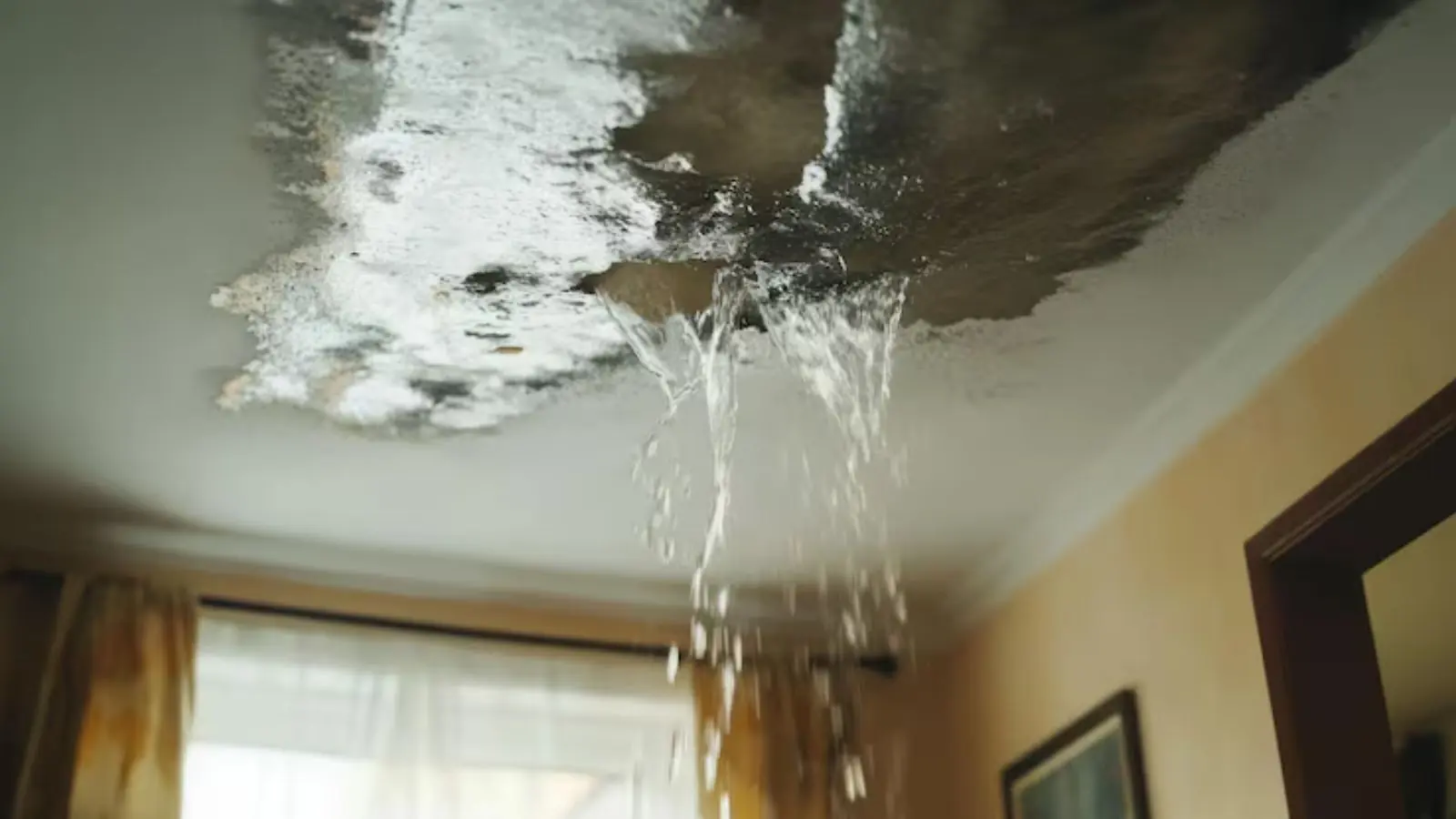
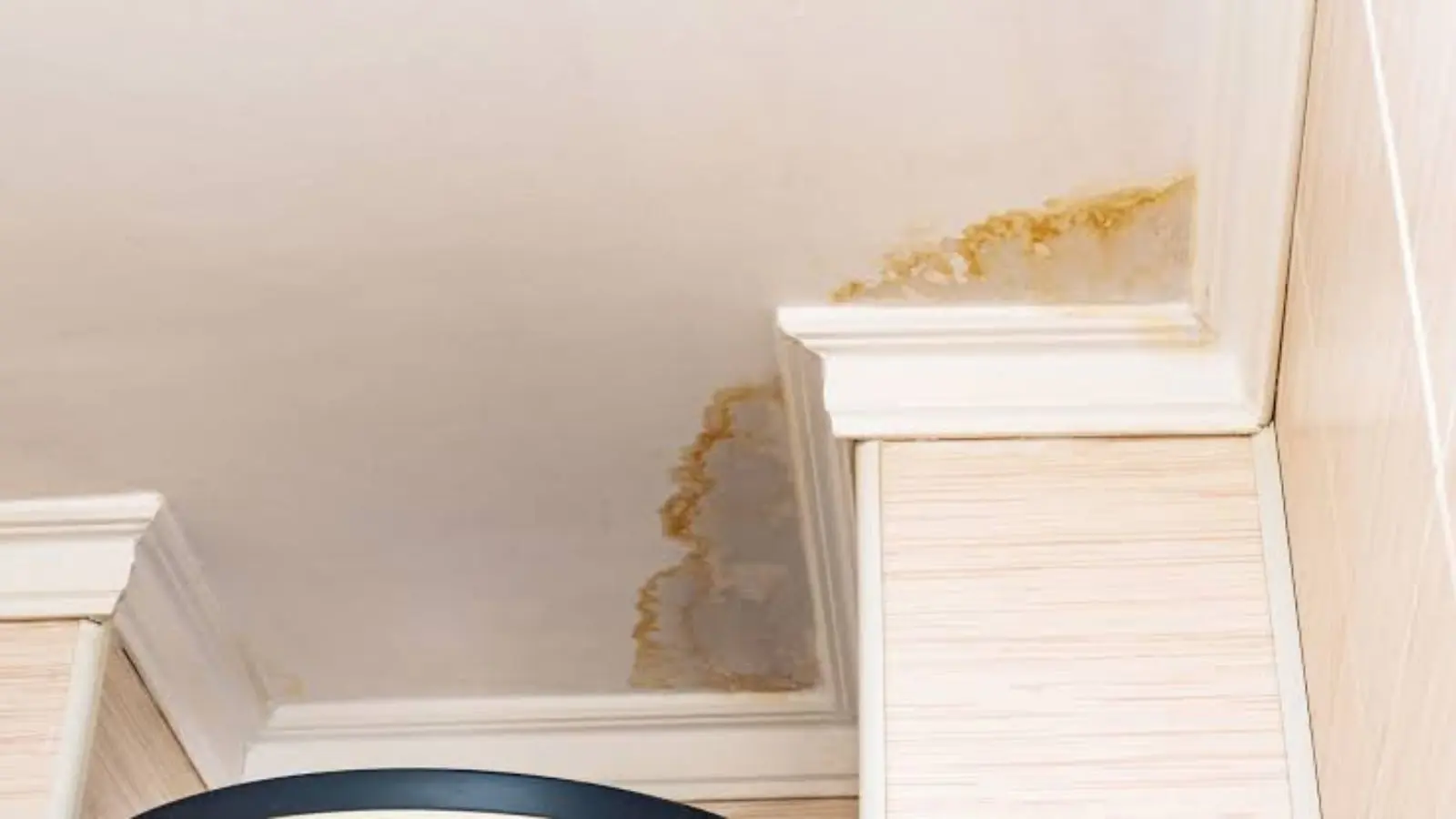
Water Damage in a Ceiling: What Is It and Where Is It From?
Decode ceiling stains, bubbling paint and sagging, trace the likely source, and learn what to do and what to avoid the same day.
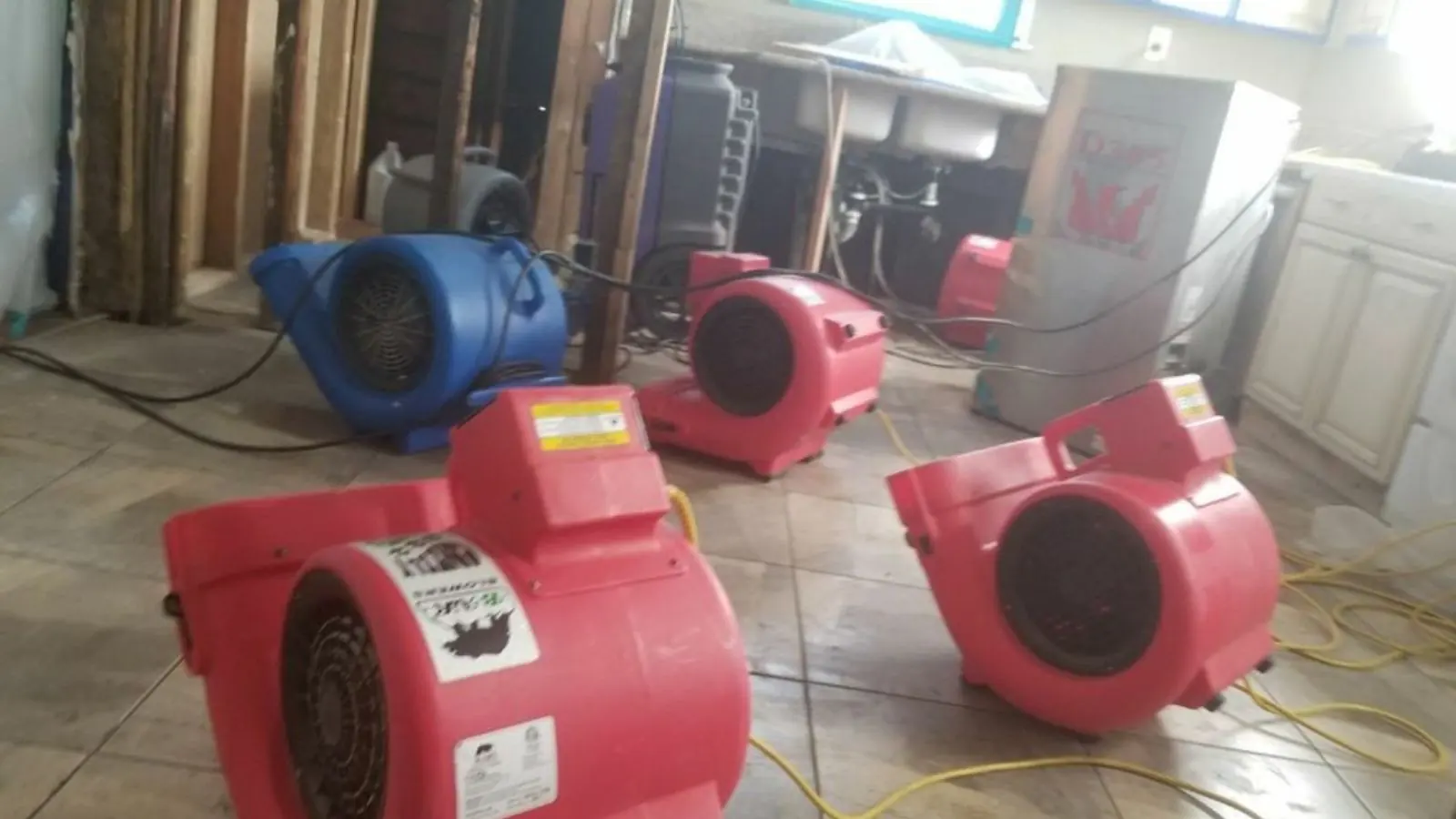
Documenting Water Damage for an Insurance Claim in Harbor City
Sudden or gradual, flood or not, and how to build a record of photos, logs and receipts that your insurer can actually use.
Water Damaged Hardwood Floors: Dry in Place or Replace?
Cupping, crowning, buckling and dark stains explained, with how mat drying works, how long it takes and when sanding is safe.
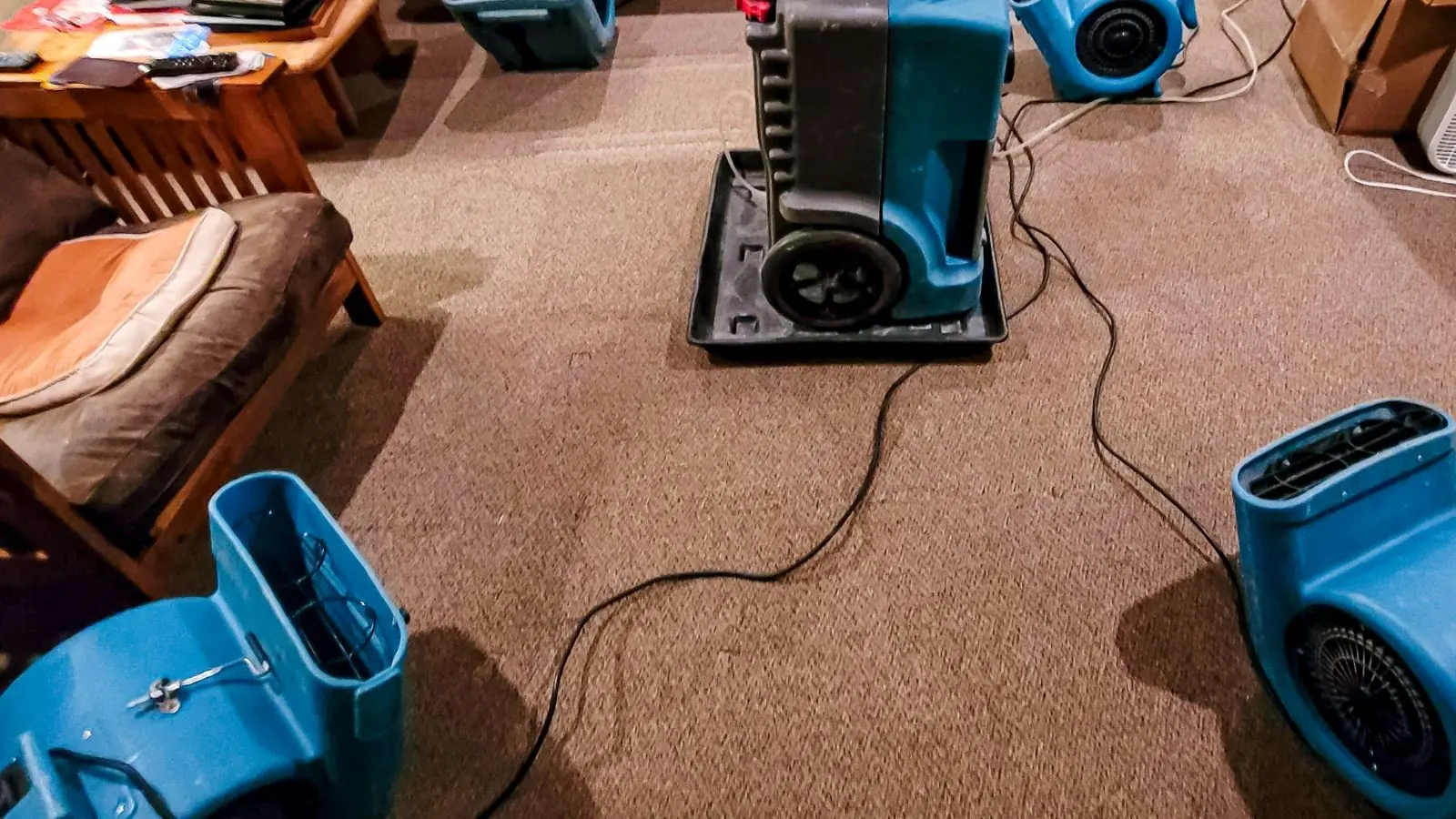
What Does Water Restoration Actually Mean?
A plain-language look at the five phases of water restoration, how it differs from mitigation, cleanup and repair, and what a scope should say.
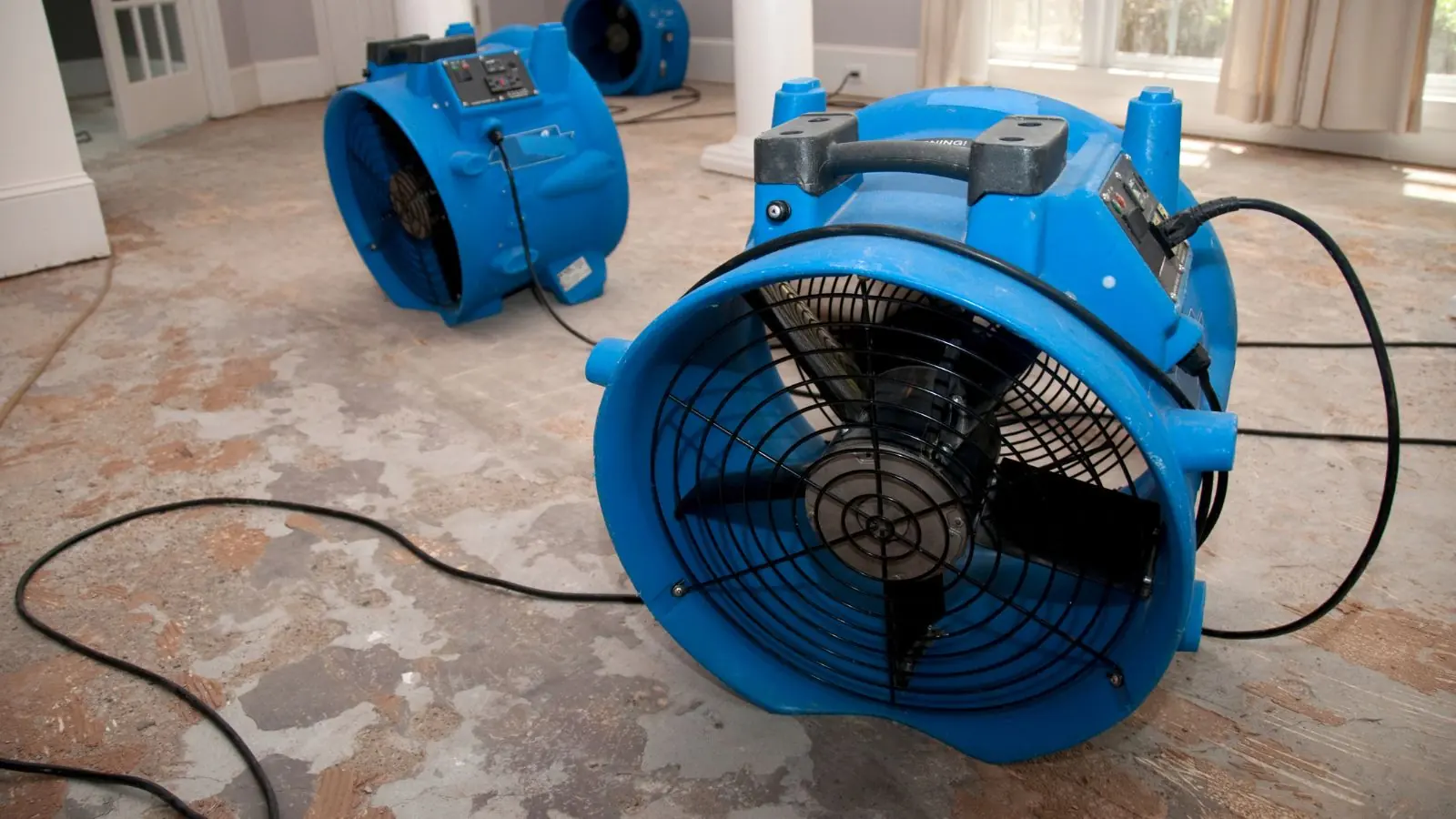
What Is Water Mitigation, and Why Does Speed Matter?
Water mitigation stops damage from spreading in the first 24 to 72 hours. Here is the timeline, the equipment, and how it differs from restoration.